
Skip to content

Microneedling & Dermapen

Controlled micro-injury treatments to support skin texture, scars and overall tone — calibrated to your skin at consultation.

What it is

Microneedling and Dermapen are controlled micro-injury treatments offered within the skin pillar at Klinik Amisi. They work on the same underlying principle — creating tiny, calibrated channels in the upper layers of the skin to trigger the body’s natural repair response — but use different tools and depth control.

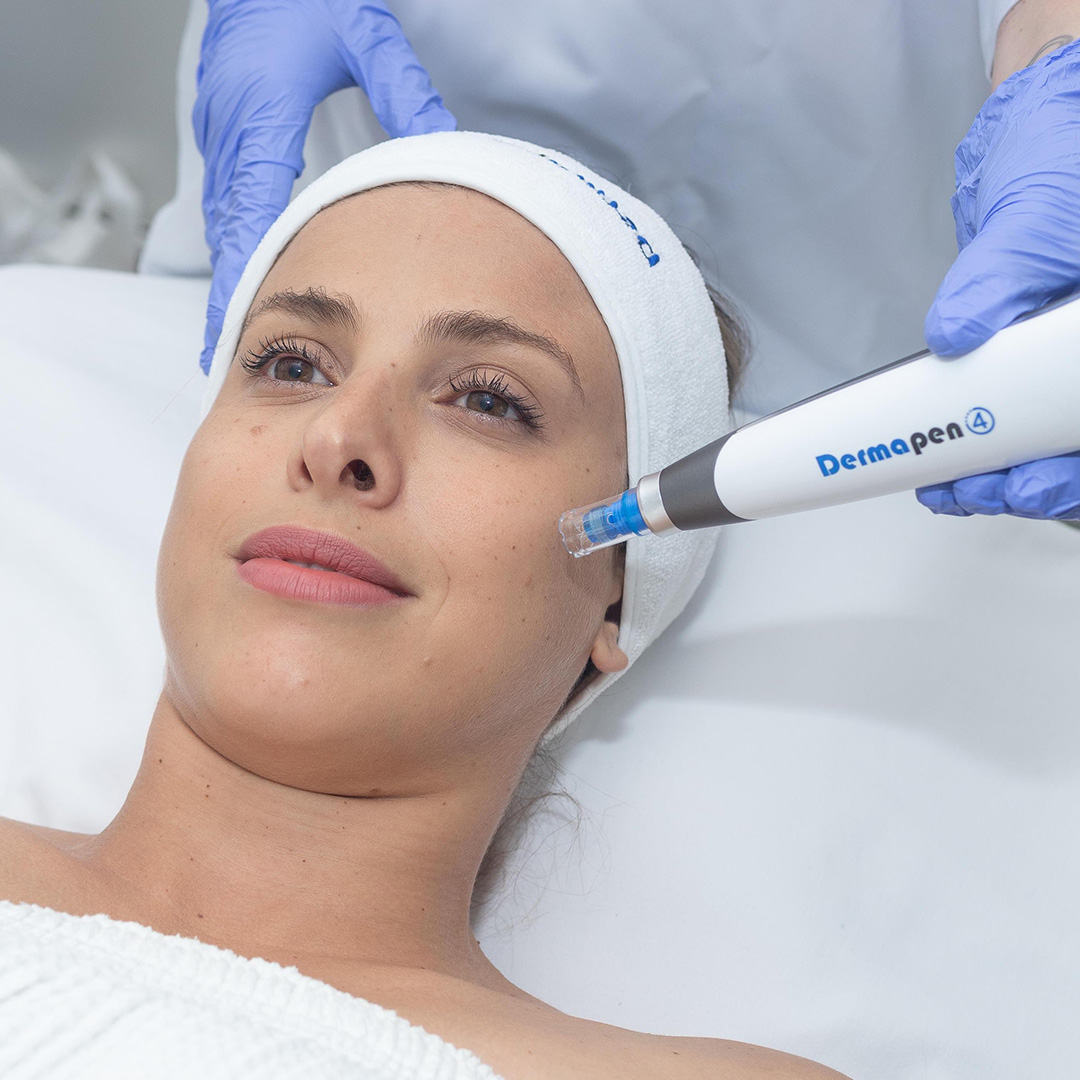
The basic Microneedling protocol is generally selected for foundational texture, tone and early ageing concerns. Dermapen is a motorised device that allows more precise needle-depth adjustment and is commonly selected for concerns that need deeper work, such as atrophic acne scars or stretch marks. Both protocols are non-ablative, meaning they do not strip away the surface of the skin.

A consultation is required before any first session so our doctor can assess your skin type, medical history and concerns, choose between Microneedling and Dermapen (or recommend a different treatment), and set the appropriate depth and frequency.

How it works

During the session, fine needles create thousands of microscopic channels in the upper layers of the skin. The body interprets these as small wounds and initiates a structured repair process: inflammation settles within hours, fibroblasts activate, and over the following weeks new collagen and elastin are laid down. Across a course of sessions, this gradual remodelling can support smoother surface texture, softer scar margins and an overall improvement in skin quality.

Depth and density are adjusted based on your skin type and concern. Lighter, more superficial settings are used for general tone and texture refresh; deeper settings are typically used for acne scars or stretch marks. The Dermapen’s motorised vertical movement and adjustable depth give the clinician finer control over deeper work compared with manual rolling devices.

What to expect

Before your treatment

Your first visit begins with a consultation. We will discuss your skin concerns, medical history, current skincare, any prescription topicals and any past procedures. Avoid strong actives such as retinoids or acid exfoliants for several days before your session, and pause home exfoliators for 24 to 48 hours. Tell us if you have recently been on isotretinoin — a wait period is usually required before this kind of treatment.

During the session

The skin is cleansed and topical numbing is applied for around 20 to 30 minutes. The clinician then passes the device across the treatment area in measured patterns at the chosen depth. Most patients describe a scratching or vibrating sensation, with mild discomfort in bonier areas such as the forehead. The active treatment portion typically takes around 20 to 30 minutes; the full appointment with numbing is around 45 to 75 minutes.

After your treatment

Immediately afterwards, skin will look red — similar to mild sunburn — and may feel warm and tight. Pinpoint bleeding can occur and settles quickly. Use a gentle, non-active cleanser and a bland moisturiser for the first 24 to 48 hours, and avoid makeup for the rest of the day. Strict daily broad-spectrum SPF 50+ is essential between sessions and afterwards.

Recovery and downtime

Most patients have noticeable redness on day one, which softens over 24 to 72 hours into a slight pinkness and a sandpaper-like surface as the skin recovers. Some patients experience mild flaking or dryness within the first week. Avoid active exfoliants, retinoids, scrubs, saunas, swimming pools and prolonged sun exposure for at least 5 to 7 days. Improvement in texture, scars and tone builds gradually over the following weeks as the skin remodels, and individual results vary.

Who is this for

Microneedling and Dermapen are typically offered to adults who want to address surface texture, mild acne scars, early fine lines or stretch marks, and who are prepared to commit to a course and follow aftercare carefully.

You may be a candidate if you have:

  • Uneven skin texture or enlarged-looking pores
  • Mild to moderate atrophic acne scars
  • Early fine lines and loss of bounce
  • Dull tone or post-inflammatory pigment from past breakouts
  • Stretch marks suitable for deeper Dermapen protocols
  • Realistic expectations and willingness to follow strict aftercare

Considerations and contraindications

Microneedling and Dermapen are generally not recommended for patients who are pregnant or breastfeeding, who have active skin infection, open wounds, cold sores or actively inflamed acne in the treatment area, who have used isotretinoin within the past 6 months, or who have a history of keloid scarring. Patients with bleeding disorders, on blood-thinning medication, with certain autoimmune conditions, or with very photosensitive skin should be assessed individually. Recent sunburn, chemical peels or laser treatments may delay scheduling. Always disclose your full medical history, medications and recent procedures during consultation so our doctor can confirm whether this treatment is right for you.

Frequently asked questions

What is the difference between Microneedling and Dermapen?
Both treatments work on the same principle of creating tiny, controlled micro-channels in the skin to trigger natural repair. Microneedling at our clinic refers to the foundational protocol suited to general texture and tone concerns. Dermapen is a motorised device that delivers more precise depth control and is generally selected for deeper concerns such as acne scars or stretch marks. Our doctor will recommend which is appropriate for you.
Is the treatment painful?
A topical numbing cream is applied for around 20 to 30 minutes before the session, which keeps the experience tolerable for most patients. You may feel a mild scratching sensation, especially in bonier areas. Sensitivity varies between individuals.
How quickly will I see a difference?
Skin typically looks fresher within a week or two as the surface settles. More meaningful changes in texture, scars and tone build gradually across a course as new collagen forms over several weeks. Individual results vary.
How many sessions will I need?
A typical course is 3 to 6 sessions, scheduled every 4 to 6 weeks to allow the skin to recover and remodel between visits. Acne scar protocols often need a longer course. Your doctor will recommend a specific plan after assessing your skin.
Will it hurt my skin barrier?
When delivered by a trained clinician at appropriate settings, microneedling is designed to trigger repair without compromising the skin barrier long term. Following aftercare strictly during the days after each session protects the skin while it heals.
Can it be done over active acne?
Microneedling and Dermapen are generally not performed over actively inflamed acne lesions, as this could spread bacteria and worsen breakouts. We may treat unaffected areas, treat after acne is medically managed, or recommend a different protocol first.
Are there any side effects?
Common short-term effects include redness, mild swelling, sensitivity and a sandpaper-like surface for a few days. Less common effects include pinpoint bruising, transient pigment changes or, rarely, infection if aftercare is not followed. Our doctor will go through the full risk profile during consultation.
How much does it cost?
Pricing depends on which protocol your doctor recommends and whether it is part of a course. Please consult our team for current rates.